
How Parenting Shapes Early Literacy: Five Principles from Linguistics and Anthropology
Long before a child learns to read a book, she is learning how language works.
She listens to the rhythm of conversation. She notices when someone responds to her sounds. She learns that certain words refer to people, objects, actions, and feelings. She begins to recognize the structure of stories, the sounds inside words, and the idea that communication connects one person to another.
From a linguistic perspective, literacy does not suddenly begin when a child learns the alphabet. It grows out of years of listening, speaking, interacting, remembering, storytelling, and making meaning.
Anthropology adds another important insight: children have not always learned language and literacy through formal lessons.
Across human societies, children have learned by listening to adults, participating in family life, hearing stories, observing older children, memorizing songs, asking questions, and gradually joining the communicative practices of their communities.
Modern parents can draw from both perspectives.
Early literacy does not have to begin with worksheets or reading drills. Some of its strongest foundations are built through ordinary family life.
Literacy Begins With Language
Reading is a remarkable cultural invention, but spoken language is much older.
Children usually develop an enormous amount of linguistic knowledge before they can read a single sentence. They learn vocabulary, grammar, conversational rules, tone, word meanings, and storytelling patterns simply by interacting with other people.
A toddler who says:
“Mommy go?”
is already experimenting with grammar.
A preschooler who tells a long story about something that happened at the park is practicing sequencing, memory, vocabulary, and narrative structure.
A baby who babbles and waits for a parent to answer is learning one of the most fundamental structures of communication:
I communicate. You respond. Then I respond again.
Linguists call this kind of back-and-forth interaction turn-taking.
Long before children understand punctuation or paragraphs, they are learning the architecture of communication through conversation.
Children Learn Language Through Relationships
One of the most important findings across language development is that children benefit from meaningful interaction.
Hearing words matters, but simply surrounding a child with sound is not the same as conversation.
Children learn language particularly well when another person responds to what has captured their attention.
A toddler points toward a bird.
A parent says:
“Yes! That’s a robin. Look at its orange chest.”
The child looks again.
Later the parent says:
“Remember the robin we saw outside?”
Several forms of learning are happening at once.
The child is connecting a word with an object, participating in shared attention, hearing descriptive vocabulary, practicing memory, and learning that language can refer to something that happened in the past.
Linguists sometimes describe this shared focus between a child and caregiver as joint attention.
It is one of the ordinary but powerful ways children discover what words mean.
Anthropology Reminds Us That Literacy Is Social
Anthropologists often describe literacy as more than the technical ability to decode written symbols.
Reading and writing are also social practices.
Different cultures use literacy differently.
One family might read religious texts together.
Another might exchange letters.
Another may tell elaborate oral histories.
Children may watch adults write grocery lists, read recipes, follow signs, record family events, read newspapers, send messages, or study books.
Children learn not only how reading works but also what reading is for.
That distinction matters.
A child who watches a parent consult a recipe discovers that writing can guide an activity.
A child who sees a parent write a birthday card discovers that writing can communicate affection.
A child who watches someone read instructions discovers that text carries information.
A child who hears the same favorite story repeatedly discovers that written words can preserve stories across time.
Literacy becomes meaningful before it becomes academic.
Oral Traditions Matter Too
Modern discussions of early literacy sometimes focus so heavily on books that we overlook humanity’s much older tradition of storytelling.
For most of human history, knowledge was preserved largely through oral communication.
Families told stories.
Communities remembered genealogies.
Songs preserved information.
Children learned riddles, sayings, prayers, poems, histories, and traditional stories.
These practices develop many abilities that later support reading.
When children listen to stories, they encounter:
- unfamiliar vocabulary
- sequences of events
- cause and effect
- characters and motivations
- memory
- prediction
- rhythm and repetition
- narrative structure
A child does not need to be looking at printed words for linguistic development to be occurring.
The grandmother telling the same family story for the tenth time is participating in language education too.
Children Learn by Participating
Anthropological research has also documented societies in which children learn extensively through observation and participation rather than through constant adult-directed instruction.
Children watch what competent members of their community do, begin helping in small ways, and gradually take on greater responsibility.
The same principle can apply to literacy.
Instead of making reading and writing something that happens only during “school time,” allow children to see literacy woven into everyday life.
Say:
“Can you help me find bananas on the grocery list?”
Write a note together.
Let your child dictate a message to Grandma.
Read the sign at the park.
Look at the instructions while building something.
Write labels for a child’s drawings.
Ask your child what you should write underneath a picture.
Literacy then becomes something people use, rather than simply another subject children are expected to master.
Five Principles for Building Early Literacy at Home
Parents do not need to become reading specialists to create a powerful language environment.
These five principles capture much of what linguistics and anthropology can teach us about the foundations of literacy.
1. Talk With Your Child, Not Only to Your Child
Conversation is one of the richest forms of early language learning.
Give children opportunities to answer, interrupt, ask questions, tell stories, and explain what they think.
Instead of only asking questions with predetermined answers such as:
“What color is this?”
occasionally ask:
“What do you think is happening here?”
or
“What happened after we left Grandma’s house?”
These questions invite longer language.
Expand naturally upon what your child says.
Child:
“Dog running.”
Parent:
“Yes, that big brown dog is running really fast.”
You have introduced grammar and vocabulary without turning the interaction into a lesson.
Principle One:
Conversation before correction.
Language develops through use.
2. Read, Tell Stories, Sing, and Rhyme
Books are valuable, but early literacy can include much more than books.
Read aloud.
Tell family stories.
Recite nursery rhymes.
Sing songs.
Make up silly rhymes.
Retell something funny that happened yesterday.
These activities expose children to the sounds and structures of language.
Rhyming and wordplay are particularly helpful because they draw attention to the sound structure of words—an ability associated with phonological awareness.
You might say:
“Cat, hat, mat. Those words sound alike!”
There is no need to turn every rhyme into a quiz.
Simply allowing children to enjoy how language sounds builds familiarity with the building blocks they will later encounter in reading.
Principle Two:
Surround children with meaningful language.
Books matter, but so do songs, conversations, jokes, poems, and stories.
3. Let Children See Reading and Writing Being Used
Young children are careful observers.
If the only time they encounter print is during a lesson, they may understandably conclude that reading is primarily an assignment.
Allow them to see literacy serving real purposes.
Read recipes while cooking.
Write shopping lists.
Check a calendar.
Leave family notes.
Read street signs.
Write birthday cards.
Look something up in a book.
Keep favorite books in accessible places.
When children see adults using literacy, they learn an important cultural lesson:
Reading and writing are things people do because they are useful, interesting, and meaningful.
Principle Three:
Make literacy part of life, not just school.
4. Follow Curiosity
Children’s attention is a powerful learning tool.
When possible, connect language and reading to what already fascinates them.
A child fascinated by dinosaurs may eagerly learn words such as herbivore, fossil, and extinct.
A child who loves cooking may become interested in recipe cards and measurements.
A child fascinated by birds may want to identify species in a field guide.
A child who loves trucks may study signs, logos, and labels long before she is interested in a conventional early reader.
Following children’s interests does not mean children should never encounter unfamiliar subjects.
It simply recognizes something teachers and parents have observed for generations:
Interest makes attention easier.
And attention makes learning easier.
Principle Four:
Use curiosity as the doorway to literacy.
5. Protect Connection and Avoid Unnecessary Pressure
Children develop at different rates.
One child may begin reading very early. Another may spend considerably longer developing oral language before written language begins to make sense.
Early literacy should therefore build confidence rather than anxiety.
Correcting every pronunciation, testing every page, or constantly asking a child to demonstrate what she knows can unintentionally transform reading into a performance.
Read together because the story is interesting.
Answer questions.
Help when necessary.
Celebrate progress.
Allow repetition.
Let the child choose the same book again.
Let her stop and study a picture.
Let conversation interrupt the story occasionally.
These experiences communicate something important:
Books belong to you. Language belongs to you. You are allowed to explore them.
Principle Five:
Protect the relationship with language.
A child who associates reading with closeness, curiosity, competence, and pleasure has been given something extraordinarily valuable.
The Five Principles to Remember
If everything else feels complicated, remember these:
1. Conversation before correction.
Talk with children and give them time to respond.
2. Surround them with language.
Read, sing, rhyme, tell stories, and listen.
3. Make literacy part of real life.
Let children see why people read and write.
4. Follow curiosity.
Use children’s interests to introduce richer language and ideas.
5. Protect connection.
Encourage literacy without turning every interaction into a test.
Literacy Grows in a Culture of Connection
Anthropology reminds us that children are cultural learners.
Linguistics reminds us that language develops through meaningful communication.
Together, they give parents an encouraging message:
You do not have to recreate a classroom in your living room to prepare your child for literacy.
Talk while making breakfast.
Tell stories in the car.
Sing together.
Read before bed.
Let your child watch you write.
Ask what she thinks.
Listen carefully to the answer.
Introduce beautiful words.
Tell her stories about the people who came before her.
Keep books within reach.
Let questions wander.
Literacy begins long before the first independent book is read.
It begins when a child discovers that words carry meaning, stories connect people, and language helps us understand the world and one another.
And some of the most important literacy lessons may happen while a child is simply sitting beside someone she loves.
Discover Effective Reading Resources
This section highlights gentle approaches and practical tools designed to support early literacy in homeschooling.
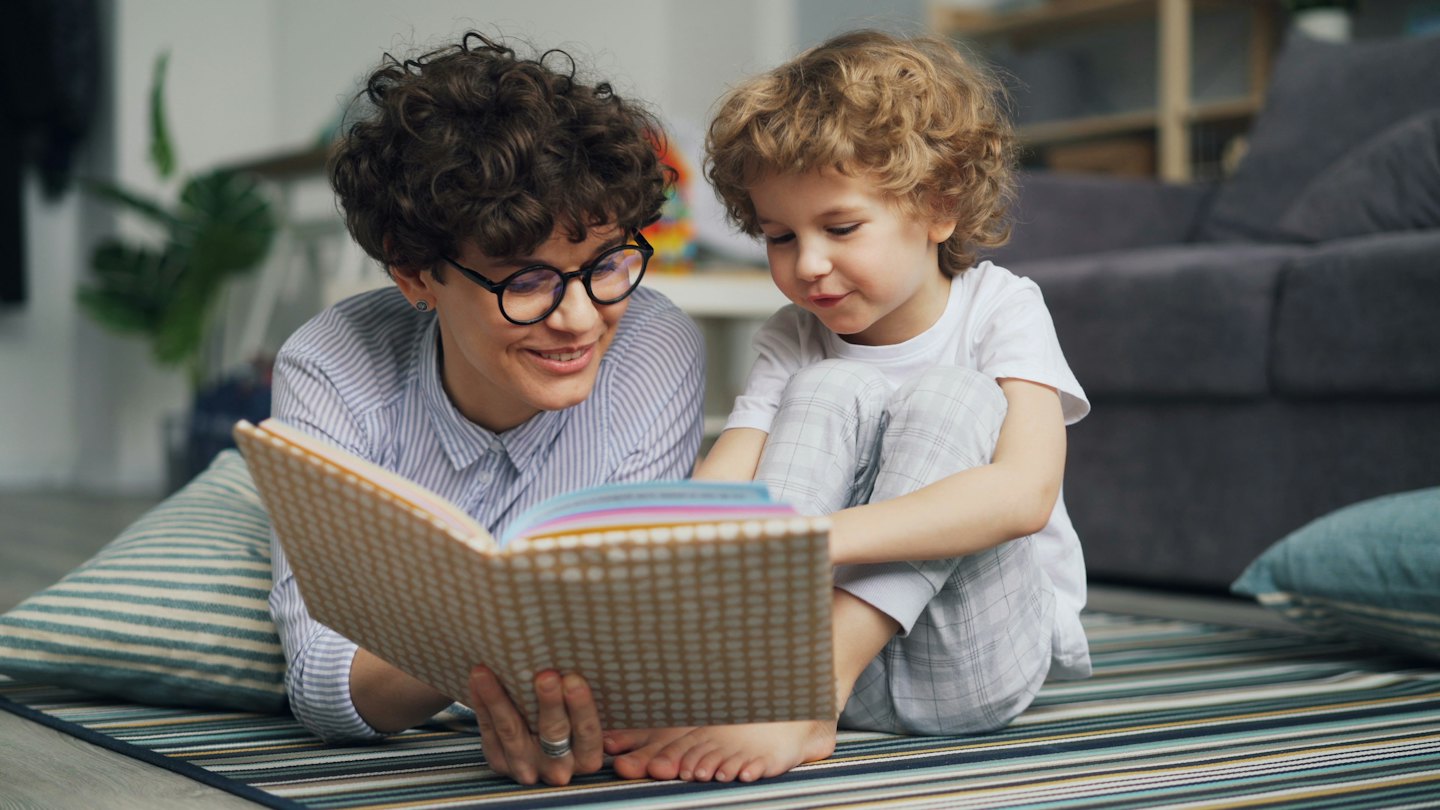
Warm Encouragement
This topic covers gentle guidance to nurture a lifelong love of reading.
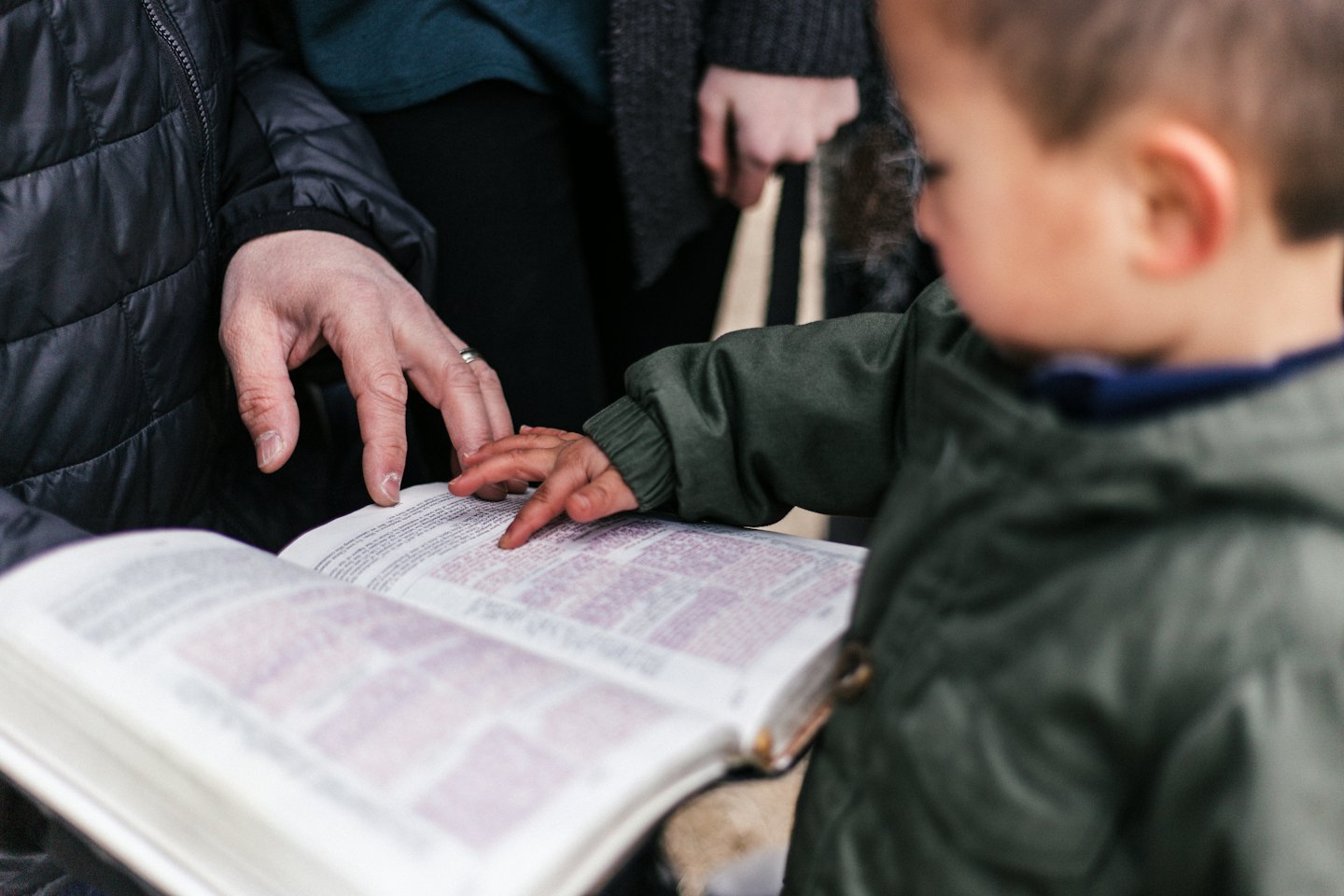
Natural Learning
This topic delves into attachment parenting strategies for literacy.
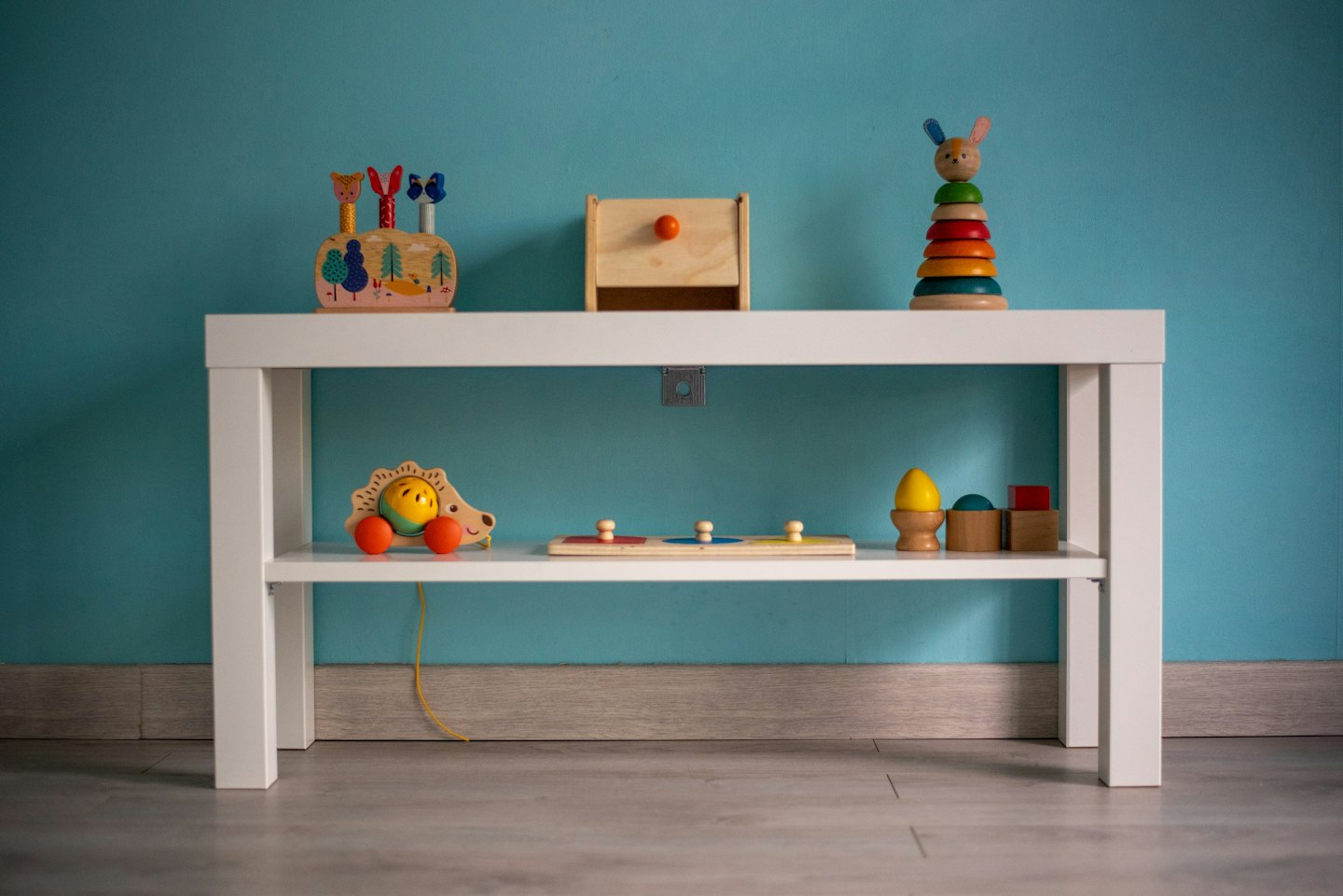
Reading Resources
Explore this topic for practical materials and reading insights.

This is where a customer testimonial should go. Feel free to include whatever content you have.

Person 3
Job Title, Company Name
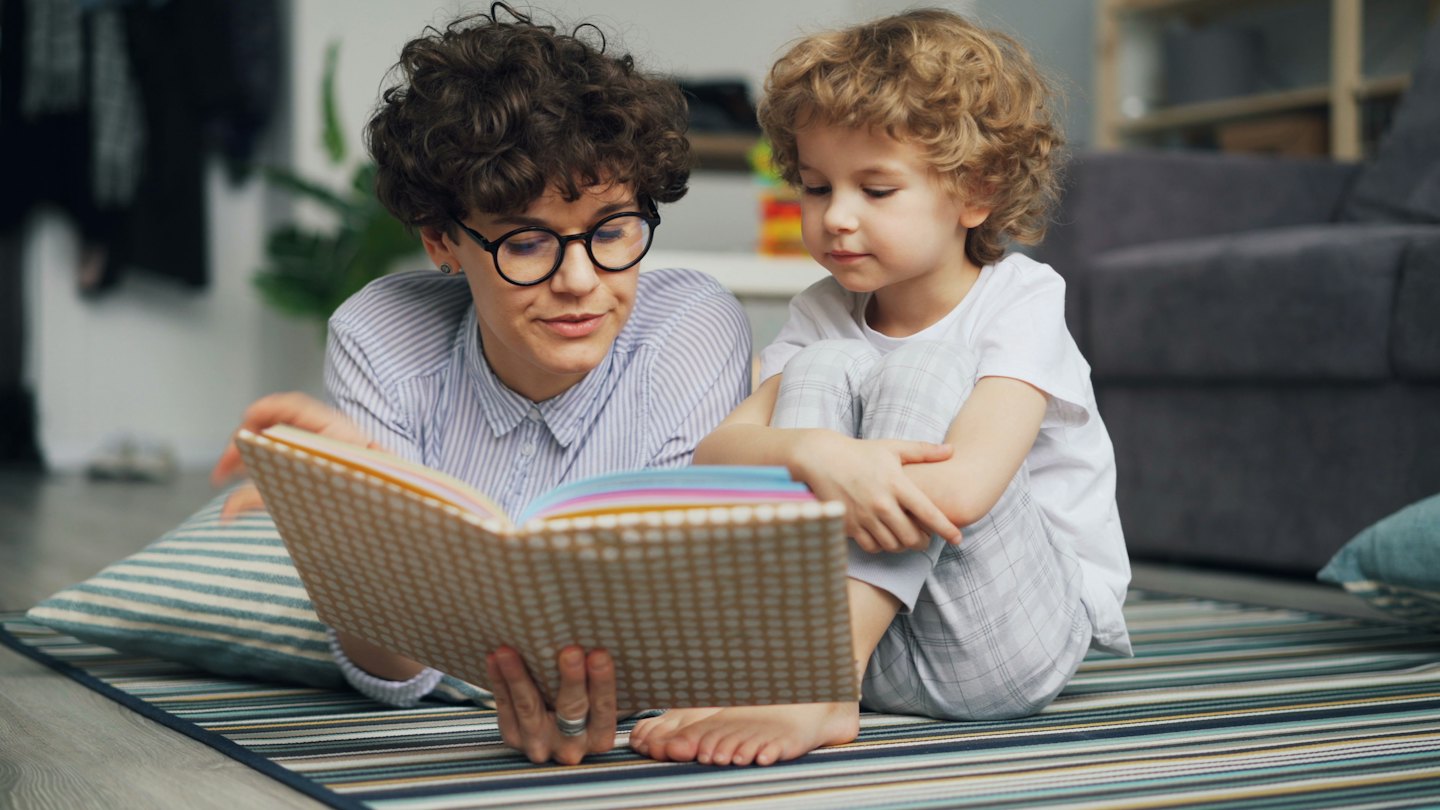
Nurture Your Child’s Love of Reading
Discover gentle, effective approaches to early literacy tailored for homeschooling and attachment parenting. Get warm encouragement, practical reading resources, and natural learning strategies.